Healthy Weight Loss After 60
Jumpstarting weight loss after the age of 60 requires a different approach than for younger individuals, with a focus on safety, muscle preservation, and long-term health. It's crucial to consult with a doctor or a registered dietitian before starting any new diet or exercise program, as they can provide personalized recommendations based on your individual health needs.
Safe dieting for seniors focuses on preserving muscle mass, bone strength, and avoiding nutrient deficiencies rather than rapid weight loss. For those reasons alone, it’s necessary to approach dieting and/or weight loss with a different mindset focusing on safety principles for seniors. Never cut out whole food groups like carbs or dairy; this could lead to malnutrition, weakness, and a compromised immune system. Intermittent fasting and time-restricted eating is highly discouraged because it can trigger unwanted muscle loss, low blood sugar, and/or dangerous interactions with daily medications.
Aim for slow, steady loss of 0.5 to 2 pounds per week or roughly 10% of your body weight over a six-month period to prevent muscle and metabolic damage. Avoid severe calorie cuts. Men should generally not drop below 1,600 calories per day, while women should not drop below 1,200 calories per day without medical supervision. To prevent age-related muscle loss, consume about one gram of protein per kilogram of your body weight (roughly 23-30 grams per meal) using sources like fish, eggs, low-fat dairy, beans, lean meats, and nuts.
Make sure you’re getting enough calcium and vitamin D in your daily diet; they work together to maintain strong bones, prevent fractures, and support muscle and nerve function. Calcium provides the primary building blocks for bone tissue. The body cannot absorb calcium effectively without adequate vitamin D, it acts as a hormone that unlocks the gut’s ability to take in calcium from food. You can get this from fortified plant-based milk, leafy green vegetables, salmon, sardines, fortified orange juice, eggs, and dairy; some prefer to add multivitamins as well (remember, always check with your healthcare provider before adding vitamins to your daily routine).
Older adults also experience a reduced sense of thirst; therefore, it’s important to drink about 64 ounces of water daily to prevent dehydration. You can incorporate water-rich foods such as cucumbers, watermelons, broths, and veggies to prevent dehydration and urinary tract infections.
Here are key strategies to safely and effectively jumpstart weight loss over 60:
1. Prioritize Nutrition for Muscle Preservation
As you age your metabolism slows down and you are at greater risk of losing muscle mass, which is essential for burning calories and maintaining strength.
Increase Protein Intake: Aim for a higher protein intake to help maintain muscle mass. Some sources suggest about 1 gram of protein per kilogram (2.2 pounds) of body weight. Distributing protein evenly throughout the day, with about 25-35 grams per meal, can be more effective for muscle synthesis. Good sources include lean meat, fish, poultry, eggs, dairy, and legumes.
Focus on Nutrient-Dense Foods: Instead of drastically cutting calories, focus on consuming foods that provide the most nutrients for the fewest calories.
Fruits and Vegetables: These are high in fiber, which helps you feel full, and packed with essential vitamins and minerals.
Whole Grains: Choose whole-grain options like brown rice, oats, and whole-wheat bread over refined grains.
Healthy Fats: Incorporate healthy fats from sources like avocados, nuts, seeds, and olive oil for brain health and satiety.
Stay Hydrated: Dehydration is common in older adults and can be mistaken for hunger. Drink plenty of water throughout the day. A general recommendation is 64 ounces daily, but this can also come from water-rich foods like squash, cucumbers, radishes, lettuce, and tomatoes.
2. Incorporate a Well-Rounded Exercise Routine
Exercise is critical for weight loss and overall health, helping to burn calories, build muscle, and improve balance and mood.
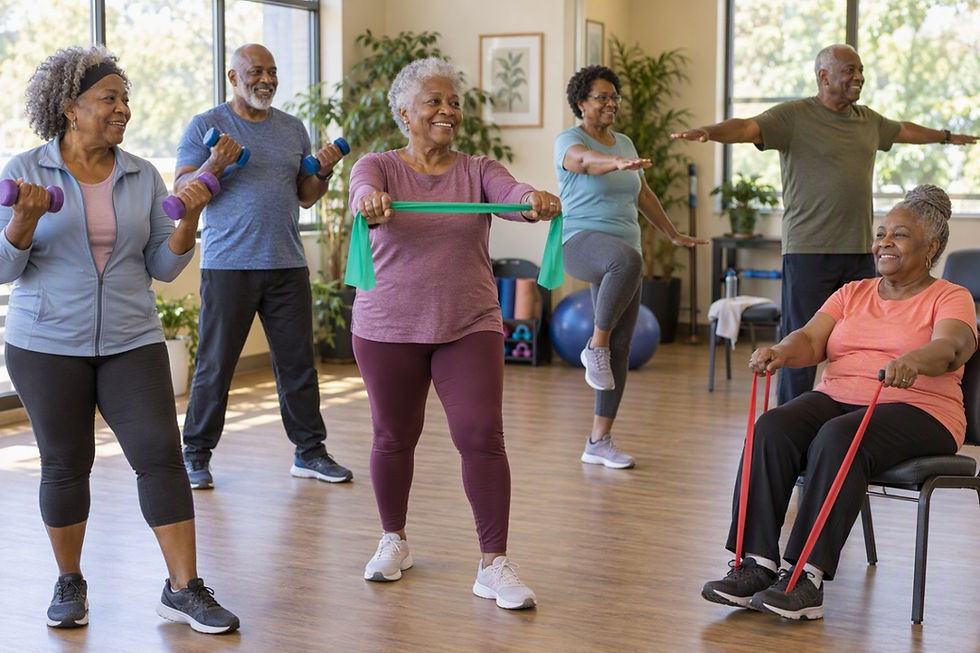
Strength Training: This is a vital component for seniors as it directly combats muscle loss. Aim for at least two days a week of strength training. This can include lifting weights, using resistance bands, or bodyweight exercises like push-ups and sit-ups.
Aerobic Exercise: Aim for at least 150 minutes of moderate-intensity aerobic activity per week, which can be broken down into shorter sessions. Good options that are gentle on the joints include brisk walking, swimming, dancing, or water aerobics.
Balance and Flexibility: Activities like yoga and Tai Chi are excellent for improving flexibility and balance, which can help prevent falls.
3. Adopt Healthy Habits
Sustainable weight loss is about more than just diet and exercise—it's about a holistic approach to your health.
Eat Smaller, More Frequent Meals: This can help keep your metabolism from slowing down and prevent you from getting overly hungry, which can lead to overeating.
Practice Mindful Eating: Pay attention to your body's hunger and fullness cues. Avoid distractions like watching TV or using your phone while eating.
Prioritize Sleep: Lack of sleep can affect hormones that regulate appetite, making it harder to lose weight. Aim for 6-8 hours of quality sleep per night.
Manage Stress: Stress can also impact weight. Find healthy ways to de-stress, such as listening to music, spending time with friends and family, or engaging in a hobby.
Important Considerations and Risks
Avoid Fad Diets: Rapid weight loss methods like fad diets are generally not recommended for older adults. They can lead to muscle loss, nutrient deficiencies, and may not be sustainable.
The Dangers of Unintentional Weight Loss: Losing weight without trying can be a sign of an underlying health issue, such as cancer, gastrointestinal disease, or depression. If you experience unintentional weight loss, it's essential to seek medical evaluation.
Set Realistic Goals: A safe and healthy rate of weight loss is typically 1-2 pounds per week. Losing just 5% of your body weight can lead to significant health benefits.
Remember, the goal is not just to lose weight but to improve your overall health, mobility, and quality of life. A combination of a healthy diet, regular physical activity, and healthy lifestyle habits is the safest and most effective approach. Focus on small, sustainable changes that fit your abilities and daily routine, and measure progress by improvements in strength, energy, balance, and how you feel—not only by the number on the scale. Be patient with yourself, celebrate consistent effort, and adjust your plan with guidance from your healthcare provider as your health needs change.

Book Recommendations for a Healthier You
21-Day Mind Diet Plan for Seniors Over 60 by Clara Mendelson
The Dr. Sebi Way: Natural Herbal Remedies, Alkaline Diet, and Holistic Living for a Disease-Free Life by Clara Linden
Dick Gregory’s Natural Diet for Folks Who Eat: Cookin with Mother Nature by Dick Gregory and James R. McGraw
Ageless Vegan: The Secret to Living a Long and Healthy Plant-Based Life by Mary McQuirter and Tracye McQuirter
Begin your journey towards a timeless practice for aging well @ risetherapy.org


